

Have you ever looked at a painful or sensitive tooth and wondered, Do I need a filling, or is it time for a root canal? You are not alone. A small cavity may only need a filling, while deeper decay or an infection can affect the pulp inside the tooth and call for root canal treatment. The tricky part is that pain level alone does not always tell you how serious the problem is.
And what if you are worried about pain, treatment time, or choosing the wrong option? That is exactly why understanding root canal vs filling matters before you sit in the dental chair. In this guide, we will keep things simple and explain what each treatment does, what signs to look for, and why a dental exam is important before making the decision.
What We’ll Cover in This Blog:
- What is a dental filling?
- What is a root canal?
- Root canal vs filling: what is the main difference?
- Which symptoms may point to each treatment?
- Is a root canal more painful than a filling?
- How does a dentist decide which treatment you need?
- What can happen if you delay treatment?
“Not sure whether your tooth needs a filling or root canal? At Amirad Dental Clinic, you can get a proper dental assessment and discuss the right treatment for your tooth. Our team provides both dental fillings and root canal treatment, with a focus on clear explanations and comfortable care. Call (416) 221-9000 to book a consultation.”
Root Canal vs Filling: 7 Signs You May Need One Instead of the Other
| Sign | More likely a Filling | More likely a Root Canal |
|---|---|---|
| Pain | Mild or occasional | Severe or persistent |
| Sensitivity | Goes away quickly | Lingers after hot or cold |
| Decay | Limited to outer tooth layers | Reaches the pulp or nerve |
| Pain when chewing | Usually mild or absent | Pain with pressure or chewing |
| Swelling | Usually absent | May occur around the tooth |
| Tooth color | Usually unchanged | May become darker |
| Abscess | Usually absent | May develop around the tooth |


What Is a Filling?
A dental filling is usually used when tooth decay has damaged part of the tooth but has not reached the inner pulp. The dentist removes the decayed part and fills the space to protect the tooth. Common signs include a small cavity, mild sensitivity to hot or cold, food getting stuck in one spot, or occasional tooth discomfort. If you catch the problem early, a filling may be all you need.
What Is a Root Canal?
A root canal is needed when decay or damage reaches the pulp inside the tooth and causes inflammation or infection. You may notice strong or lasting tooth pain, sensitivity that does not go away quickly, pain when biting, swelling around the tooth, or a darkened tooth. Sometimes, though, an infected tooth causes little or no pain, which is why a dental check-up matters.
| Situation | Filling | Root Canal |
|---|---|---|
| Small or moderate cavity | ✓ Usually | Usually not |
| Decay has reached the pulp | ✗ | ✓ Usually |
| Mild, short sensitivity | ✓ Common | Not typical |
| Strong or lasting tooth pain | Not usually | ✓ Common |
| Pain when biting | Sometimes | ✓ Can happen |
| Swelling or dental abscess | ✗ | ✓ May be needed |
| Tooth nerve is infected or badly inflamed | ✗ | ✓ |
| Early treatment can save the tooth | ✓ | ✓ |
Root Canal vs Filling: What Is the Difference?
So, when do you need a filling and when is a root canal the better choice? It mainly depends on how deep the tooth damage goes. A filling is generally enough when the decay is limited to the outer parts of the tooth and the pulp is still healthy. A root canal may be needed when decay, a crack, or an injury has affected the pulp and the tooth cannot recover on its own. Since symptoms can overlap, your dentist may use an exam and dental X-ray to see what is happening inside the tooth before choosing the treatment.
Related Link: Amalgam Dental Fillings
Does Every Cavity Need a Root Canal?
No, not every cavity needs a root canal. In many cases, a cavity can be treated with a simple filling if the decay has not reached the tooth pulp. A root canal is considered when the decay or damage has reached the pulp and caused serious inflammation or infection. The sooner a cavity is checked, the more likely it is that a simpler treatment can protect the tooth.
A root canal may be needed when:
- The decay has reached the tooth pulp.
- The tooth has severe or ongoing pain.
- Hot or cold sensitivity lasts for a while after the trigger is gone.
- There is pain when biting or chewing.
- The gum around the tooth is swollen or tender.
- An infection or abscess has developed.
- An X-ray shows deep decay or damage near the pulp.
Filling vs. Root Canal: Which One Is Right for Your Tooth?
Not sure if that tooth needs a filling or a root canal? It really depends on how far the problem has gone. If the cavity is still limited to the outer part of the tooth, a filling can usually remove the damaged area and protect the tooth. But if decay, a crack, or an injury has reached the pulp inside the tooth, a root canal may be needed. So, having pain does not automatically mean you need a root canal, and having little pain does not always mean the problem is minor.
Every person can be a little different. Someone with a small cavity and brief sensitivity may only need a filling, while someone with deep decay, lasting pain, swelling, or pain when biting may need root canal treatment. The best option is the one that matches the condition of your specific tooth, which is why a dental exam and, when needed, an X-ray are important before deciding.
Read More: Stain vs Cavity
Filling vs. Root Canal: Which May Apply to You?
| What you notice | What it may mean | Treatment that may be needed |
|---|---|---|
| Small cavity with little discomfort | Decay may be limited | Filling |
| Sensitivity that stops quickly | Tooth may still be treatable with a filling | Filling |
| Deep cavity | Decay may be getting close to the pulp | Filling or root canal, depending on the pulp |
| Pain that keeps coming back | The pulp may be irritated | Root canal may be needed |
| Hot or cold pain that lingers | Possible pulp damage | Root canal may be needed |
| Pain when biting | Deeper damage or inflammation may be present | Dental exam needed |
| Swelling or an abscess | Possible infection inside the tooth | Root canal may be needed |
| Broken or cracked tooth | Treatment depends on how deep the crack goes | Filling, root canal, or another treatment |
Not sure whether your tooth needs a filling or a root canal? That is not something you have to figure out on your own. Lingering pain after hot or cold drinks, pain when biting, ongoing toothache, or swelling can be signs that the problem is deeper than a simple cavity. On the other hand, mild sensitivity that goes away quickly may be easier to treat with a filling.
At Amirad Family Dentistry in Toronto, North York, we take a closer look at what is actually happening inside your tooth before recommending treatment. Whether you need a simple filling or root canal therapy, the goal is to treat the problem early, protect your natural tooth, and help you feel comfortable with your treatment plan. Book a dental consultation today and find out what your tooth really needs.

Root Canal vs Filling: Get the Right Advice in Toronto
Not sure whether your tooth needs a filling or a root canal? You do not have to figure it out from your symptoms alone. At Amirad Dental Clinic in Toronto, your tooth can be carefully examined to understand how deep the damage has gone and whether the pulp is involved. With a detailed dental examination, appropriate imaging and modern dental technology, the team can explain what is happening, walk you through your treatment options, and recommend the appropriate next step for your tooth. Whether it turns out to be a simple filling or a more involved root canal, you can ask your questions, understand the process before starting, and receive treatment based on your actual dental needs. For a consultation, call (416) 221-9000.
Root Canal vs Filling: Candidates
Not every tooth problem needs the same treatment. Fillings are more common when decay is caught early and the pulp inside the tooth is still healthy. Root canal treatment is more likely when decay, a crack, or an injury has reached or seriously affected the pulp. Your symptoms can give some clues, but an exam and sometimes an X-ray are needed to know which treatment is actually suitable for your tooth.
You May Be a Candidate For a Filling If:
- You have a small or moderate cavity.
- Your tooth has mild sensitivity that stops quickly.
- Food gets stuck around one damaged area.
- There is no swelling around the tooth.
- The pulp is still healthy.
- The decay has not reached the inner pulp.
- You have a small chip or minor area of tooth damage.
- The tooth feels mostly normal except for occasional sensitivity.
You May Be a Candidate For a Root Canal If:
- You have deep decay close to the pulp.
- Tooth pain is strong or keeps coming back.
- Hot or cold sensitivity lingers after the trigger is gone.
- You have pain when biting or chewing.
- The tooth has become very sensitive without an obvious reason.
- There is swelling or tenderness around the tooth.
- An abscess or infection is present.
- A crack or injury has damaged the pulp.
Can a Deep Cavity Be Treated With a Filling?
Yes, a deep cavity can sometimes still be treated with a filling, but it depends on whether the tooth pulp is still healthy. If the decay is deep but has not caused serious damage to the pulp, your dentist may remove the decay and restore the tooth with a filling. If the pulp is infected or badly inflamed, a filling alone will not solve the problem, and root canal treatment may be needed. The key is not simply how big the cavity looks, but what is happening inside the tooth.
Looking for root canal in Toronto? Amirad Family Dentistry can assess your tooth and help you understand whether you need a filling or root canal, with a clear treatment plan based on your needs.
📍 4789 Yonge St, Unit 420, Toronto, ON M9A 4P5
📞 (416) 221-9000
Related Post: Teeth Cleaning in North York
Filling vs. Root Canal for Tooth Decay: Which Treatment Is Used at Each Stage?
A cavity does not suddenly become a root canal case. Tooth decay usually gets deeper over time, and the right treatment depends on how far it has reached. Catching decay early can often mean a simpler filling, while deeper decay that affects the pulp may require a root canal to save the tooth.
| Stage of Tooth Decay | What Is Happening? | Common Treatment |
|---|---|---|
| Very early decay | Enamel is starting to weaken, with little or no damage | Fluoride care and monitoring may be enough |
| Early cavity | Decay has entered the enamel and formed a cavity | Filling |
| Moderate decay | Decay has reached deeper into the dentin | Filling, if the pulp is still healthy |
| Deep decay | Decay is very close to or affecting the pulp | Filling or root canal, depending on pulp health |
| Pulp infection | The inner pulp is infected or badly damaged | Root canal |
| Abscess or advanced infection | Infection has spread beyond the tooth and caused swelling or an abscess | Root canal + further treatment if needed |
“If you have a cavity, mild tooth sensitivity, or a small area of decay, you may need a dental filling in Toronto before the problem gets deeper. At Amirad Dental Clinic , we can examine your tooth, explain your options, and treat the cavity with care.”

How Do I Know If I Need a Root Canal or a Filling?
If you have a toothache, cavity, or sensitivity, it is easy to wonder, “Is this just a filling, or is something more serious going on?” A filling is often used when decay has damaged the tooth but the inner pulp is still healthy. A root canal may be needed when the damage has reached the pulp. The important clue is not just how much the tooth hurts, but how long the pain lasts and what triggers it.
As a simple guide, sensitivity that is mild and goes away quickly may fit a tooth that can be treated with a filling. Pain that lingers after hot or cold drinks, keeps coming back, hurts when you bite, or comes with swelling can point to deeper damage. But symptoms cannot confirm the treatment by themselves. A dentist needs to examine the tooth and may take an X-ray to see whether the pulp is affected and choose the right treatment.
Related Post: Root Canal Symptoms
Ask yourself: does it come and go, or does it linger?
Sensitivity that flares up quickly and fades within a few seconds, especially with something cold, is a classic sign the damage hasn’t reached the nerve yet. That points toward a filling. Pain that lingers for minutes after the trigger is gone, or shows up even without one, is a different story. That’s often the pulp signaling distress, and it points toward a root canal.
Likely just a filling if you’re noticing:
- Mild sensitivity to hot or cold that fades quickly
- A visible spot of decay or a small hole in the tooth
- Slight discomfort when chewing, nothing sharp or lasting
Likely a root canal if you’re noticing:
- Sharp or throbbing pain, especially when chewing or touching the tooth
- Sensitivity to hot or cold that lingers well after the trigger is removed
- Swelling or tenderness in the gum around the tooth
- A tooth that’s visibly darkened or discolored compared to the others
Not sure if your tooth needs a filling or a root canal? Don’t rely on pain alone. A dental exam can show how deep the problem is and help avoid both undertreatment and unnecessary treatment. If you have severe pain, swelling, or a damaged tooth, an emergency dentist in Toronto at Amirad Dental Clinic can assess the problem promptly and help you get the right care.
When to Choose a Root Canal Over a Filling
The big question is not “How bad does the cavity look?” but “Has the damage reached the inside of the tooth?” A filling may be enough when the decay is still away from the pulp. But when the pulp is badly inflamed or infected, simply filling the cavity will not solve the real problem. The tricky part? Pain alone cannot always tell you how deep the damage is.
Read More: root canal vs cavity
A root canal may be needed when:
- Tooth pain keeps coming back or does not settle.
- Hot or cold sensitivity lingers after the drink or food is gone.
- You have strong pain when biting or chewing.
- The tooth hurts without an obvious trigger.
- The gum around the tooth is swollen or tender.
- There is a pimple-like bump on the gum near the tooth.
- A deep cavity has reached or is very close to the pulp.
- A crack or injury has damaged the inside of the tooth.
- An X-ray shows signs of infection or deep damage.
- A previous filling has failed and the pulp has become affected.
Can You Need a Root Canal After a Filling?
Yes, it can happen, and it does not always mean the filling was done incorrectly. Sometimes a cavity is very deep and the pulp looks healthy enough to treat with a filling, but the tooth may later develop inflammation or infection. If you notice new or worsening pain, lingering sensitivity, pain when biting, or swelling after a filling, the tooth may need to be checked again. In some cases, a root canal may then be needed to treat the problem inside the tooth.

Which Is the Best Solution for Your Decayed Tooth?
The best solution for a decayed tooth depends on the extent of the damage. If the decay is limited to the outer layers of the tooth and has not affected the pulp, a filling is usually sufficient to restore the tooth. However, if the decay has reached the tooth’s pulp, causing infection or severe damage, a root canal is necessary to save the tooth. Ultimately, a dentist will assess the condition of the tooth and recommend the most appropriate treatment to ensure long-term oral health.
Root Canal vs Filling: Which One Hurts More?
Worried that a root canal will hurt more than a filling? The truth is that the condition of the tooth often causes more pain than the treatment itself. A filling is usually linked with little to mild discomfort, while a tooth that needs a root canal may already cause deep, throbbing, or lasting pain. During either treatment, local anesthesia is used to numb the area, so you should not expect sharp pain during the procedure. Afterward, some tenderness can be normal, especially with a root canal.
| Type of Pain | What It May Feel Like | More Common With | What It Can Suggest |
|---|---|---|---|
| Mild, brief sensitivity | Quick reaction to cold or sweet foods | Filling | Smaller or early decay |
| Mild soreness | Tender tooth after treatment | Filling | Normal short-term response |
| Sharp pain | Sudden pain with biting or cold | Either | Needs dental evaluation |
| Lingering sensitivity | Pain continues after hot/cold is gone | Root canal | Possible pulp involvement |
| Deep or throbbing pain | Strong, pulsing toothache | Root canal | Possible inflammation or infection |
| Pain when biting | Tender or painful when chewing | Root canal | Deeper tooth damage may be present |
| Severe pain with swelling | Strong pain with swollen gum | Root canal | Possible infection or abscess |
Root Canal vs Filling: Differences in Procedure
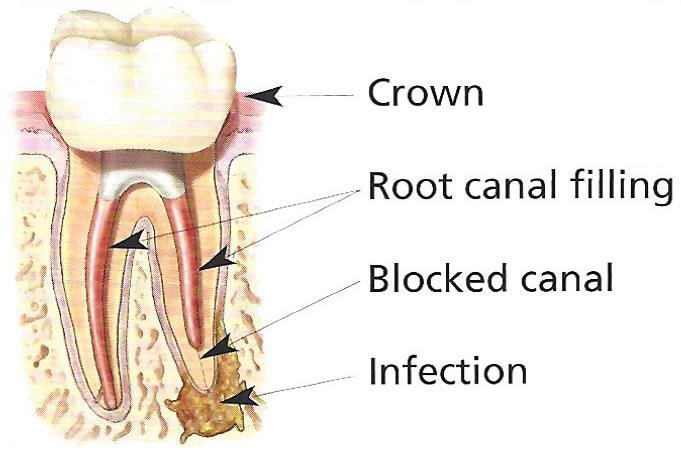
You might go to the dentist thinking, “It is just a cavity, so I probably need a filling.” But the treatment depends on what is happening inside the tooth, not just what you can see. With a filling, the dentist removes the damaged part, cleans the area, and fills the space. A root canal is different because the damage has reached the pulp inside the tooth, so the dentist needs to clean and treat the inside before sealing it.
The good news is that both treatments are done with local anesthesia, so the area is numbed during the procedure. The main difference is how deep the dentist needs to go. A filling repairs the damaged part of the tooth, while a root canal treats the problem inside it and then protects the tooth so it can continue to function.
Root Canal vs Filling: Recovery Time
Recovery after a filling is usually quicker and easier because the treatment is less extensive. You may notice mild sensitivity or soreness for a short time, especially when eating or drinking something hot or cold. A root canal can take a little longer to settle, and the tooth may feel tender when biting for a few days. Your recovery can also depend on how deep the damage was and how your tooth responds to treatment.
Dental Filling vs. Root Canal Recovery:
- Filling: Usually a faster recovery
- Root canal: Mild soreness may last for a few days
- After a filling: Most people return to normal activities quickly
- After a root canal: Avoid putting heavy pressure on the treated tooth until it feels comfortable
- Sensitivity: Can happen after either treatment for a short time
- Severe or ongoing pain: Should be checked by your dentist rather than ignored
Need a cavity fixed without making your smile look like you had dental work? Composite fillings can repair decay while closely matching the natural color of your tooth. At Amirad Clinic, we carefully assess the tooth and choose a filling approach that protects its function while keeping your smile looking natural.
Read More: Gum Disease Prevention
Can a Filling Prevent the Need for a Root Canal?
Yes, a filling can sometimes prevent the need for a root canal when tooth decay is found early. By removing the damaged part and sealing the tooth, a filling can stop the cavity from getting deeper and reaching the pulp. But once the pulp becomes seriously inflamed or infected, a filling may no longer be enough. That is why treating a cavity early can make a big difference.
How a Filling May Help Prevent a Root Canal:
- Treats decay before it reaches the pulp
- Stops the cavity from getting deeper
- Protects the remaining tooth structure
- Reduces the chance of future infection
- Helps prevent worsening tooth pain
- Works best when decay is treated early
What Happens If You Need a Root Canal but Get a Filling Instead?
If the tooth actually needs a root canal but only receives a filling, the problem inside the tooth may not be treated. At first, you might feel better because the cavity has been repaired, but symptoms can return as the pulp becomes more inflamed or infected. You may notice ongoing toothache, pain when biting, sensitivity that lingers after hot or cold drinks, swelling, or a bad taste around the tooth. In some cases, there may be very little pain even while the problem continues, so feeling better does not always mean the tooth has fully recovered.
If symptoms return after a filling, it does not automatically mean the filling was wrong or that you definitely need a root canal. The dentist needs to check the tooth again and may use dental X-rays to see what is happening below the surface. If the pulp is infected or badly damaged, a root canal may be needed to clean the inside of the tooth and keep the natural tooth. Do not wait for severe pain or swelling to appear before getting it checked, because treating the problem earlier can give you more options for saving the tooth.
If a previous root canal has failed or the tooth is painful again, root canal retreatment in Toronto may help address the problem and protect your natural tooth. At Amirad Dental Clinic, your tooth can be carefully evaluated to understand why symptoms returned and whether retreatment is the right option for you.
Durability Comparison: Filling vs. Root Canal
A common concern is, “Will my tooth last after a root canal, or will it become weak?” The good news is that a root canal does not automatically mean the tooth will fail or break. A properly treated tooth can stay useful for many years, especially when it is restored and cared for properly. A filling can also last for years, but its durability depends heavily on how much of the tooth was damaged, where the filling is placed, and how much chewing pressure that tooth receives. In other words, it is not simply about choosing the treatment that “lasts longer”. The right treatment for the depth of the damage, good oral hygiene, regular dental visits, and protecting the tooth afterward all matter.
Explore: How Long Do Dental Fillings Last?
| Factor | Filling | Root Canal |
|---|---|---|
| Main purpose | Repairs decay or damage | Treats damage inside the tooth |
| Best for | Small to moderate damage | Deep decay or infected pulp |
| Durability | Can last for years with proper care | Can also last for many years with proper care |
| Tooth strength | Preserves more natural tooth structure when possible | The tooth may need extra protection if significant structure was lost |
| Crown needed? | Usually not for a small filling | May be recommended, especially for a heavily damaged back tooth |
| What affects how long it lasts? | Filling size, tooth location, biting pressure and oral care | Remaining tooth structure, final restoration, biting pressure and oral care |
| Main concern | The filling may wear, crack or need replacement over time | The tooth can fracture if too much natural structure has been lost and it is not adequately protected |
Root Canal or Filling: What Happens After Each Treatment?
After a filling, your tooth may feel slightly sensitive for a short time, but you can usually get back to your normal routine quickly. After a root canal, the treated tooth may feel tender when you bite for a few days, especially if there was already inflammation or infection. The main difference is that a root canal treats the inside of the tooth, so the tooth may need extra protection afterward, while a filling usually requires simpler follow-up care.
What to Expect After Treatment:
- Filling: Mild sensitivity or soreness may occur
- Root canal: Tenderness when biting can last for a few days
- Eating: Follow your dentist’s advice about putting pressure on the treated tooth
- Oral care: Keep brushing and flossing as usual unless advised otherwise
- Follow-up: A root canal may require an additional restoration, such as a crown
- Warning signs: Severe pain, increasing swelling, or symptoms that do not improve should be checked by a dentist
Red flags that point to root canal vs. filling
- Throbbing pain that doesn’t go away -> Root canal likely
- Sensitivity that lasts more than a minute -> Root canal likely
- Visible abscess on gums -> Root canal needed
- Tooth darkening after trauma -> Root canal likely
- Only occasional slight sensitivity and cavity on X-ray not near pulp -> Filling likely
- No pain at all, cavity caught early -> Filling for sure
At Amirad Dental Clinic, we always explain to our patients why a certain treatment is recommended. If it’s a filling, we’ll show you the cavity on an X-ray or intraoral photo. If it’s a root canal, we’ll point out any signs of infection or depth of decay that necessitate it. We often compare it to show why a filling alone won’t fix the issue if that’s the case. Patient education is key we want you to feel confident in the treatment plan.
Read More: Canadian Dental Care Plan (CDCP)
Root Canal vs Dental Filling: Cost Comparison
When patients compare a root canal vs filling, cost is often one of the first questions that comes to mind. In general, a filling is usually less expensive because the treatment is simpler and takes less time. A root canal is more involved because the dentist needs to treat the inside of the tooth, and the tooth may also need additional protection afterward. However, the final cost is not the same for everyone. It can change depending on how much damage the tooth has, which tooth needs treatment, the type of restoration needed, and whether additional dental care is required.
| Situation | Usually Less Expensive | Why |
|---|---|---|
| Small cavity | Filling | Less tooth structure is damaged and the procedure is simpler |
| Medium cavity | Filling | Usually needs only removal of decay and restoration |
| Deep cavity, pulp still healthy | Filling | Can avoid the more extensive root canal treatment if the pulp can be protected |
| Deep decay affecting the pulp | Root canal | More treatment is needed to clean and seal the inside of the tooth |
| Infected tooth | Root canal | Treating the infection requires a deeper procedure |
| Root canal + crown | Filling | A filling usually involves fewer treatment steps, while a root canal may require a separate crown |
| Large filling on a back tooth | Depends | A large filling may require a stronger restoration depending on how much tooth remains |
| Cracked or heavily damaged tooth | Depends | The cost can increase if additional treatment or protection is needed |
What affects the cost most?
- How deep the decay has gone
- How much healthy tooth structure remains
- Which tooth needs treatment
- Whether the pulp is affected or infected
- The type of filling or final restoration needed
- Whether a crown or additional treatment is required
- The complexity of the procedure
- Your dental insurance coverage and benefits
Related Blog: Crown After Root Canal
Root Canal vs Filling: Which One Will Save Your Tooth?
If you are asking, Which one will actually save my tooth?, the answer depends on what is happening inside it. A filling can save a tooth when the damage is still limited and the pulp is healthy. If decay has reached the pulp, the tooth may need a root canal to remove the damaged tissue and keep the natural tooth in place. In some cases, acting early with a filling can prevent the problem from reaching that stage.
But what if the tooth already hurts badly? Or the pain comes and goes? Or you have no pain at all but the cavity looks deep? These situations can lead to very different treatment plans. A cracked tooth, an old filling that has failed, deep decay, or an infection may change what is possible. The goal is not simply to choose a filling or a root canal. It is to save as much healthy tooth as possible and treat the actual problem before it gets worse.
Read More: Wisdom Tooth Root Canal Treatment
FAQs
What's the main difference between a root canal and a filling?
Is a root canal the same as a filling?
Why would I need a root canal instead of a filling?
Can a tooth have a filling and a root canal on the same tooth?
Is a root canal always worse than getting a filling?
Can a filling work when a root canal seems like the safer option?
Which treatment gives you more of your natural tooth back?
Which one is easier to recover from, a filling or root canal?
If my tooth barely hurts, should I choose a filling instead of a root canal?
Can choosing a filling first make a root canal necessary later?
How does Amirad Dental Clinic compare a filling and root canal for the same tooth?
Is a root canal worth considering if I can still save the tooth with a filling?
Summary: Root Canal vs Filling
Still wondering whether your tooth needs a dental filling or a root canal? The easiest way to think about it is this: a filling is usually enough when the problem is limited to the outer part of the tooth, while a root canal may be needed when the damage has reached the pulp. Pain can give you a clue, but it cannot tell the whole story. Sometimes a deep cavity hurts a lot, and sometimes a tooth with serious damage barely hurts at all. A proper dental examination helps you avoid waiting too long or having treatment you may not actually need.
At Amirad Dental Clinic, the process starts with understanding what is really going on with your tooth. From consultation and careful examination to dental imaging and treatment planning, the goal is to make the next step clear before treatment begins. Whether you need a simple filling, a root canal, or another solution, the team can guide you through the diagnosis and treatment process based on your individual tooth condition. If you have been putting off that dental visit because you are unsure what you need, (416) 221-9000 is a simple place to start.


