Tooth Discoloration: Understanding the Causes, Symptoms, and Treatment Options
By Amirad Dental Clinic in North York, Toronto
Tooth discoloration is a common but often distressing dental concern, impacting both the appearance of your smile and your self-confidence. Understanding the causes, signs, and treatment options for discolored teeth is the first step towards restoring a bright, healthy appearance. While surface stains can sometimes be managed with good oral hygiene and careful lifestyle choices, more persistent or intrinsic stains may require professional intervention.
When most people envision a healthy smile, they picture bright, white teeth. However, due to various factors, maintaining that pearly sheen can be a challenge. Tooth discoloration is a common issue that can affect anyone, from children to adults, and it can sometimes be a source of self-consciousness or discomfort. At Amirad Dentistry in North York, Toronto, we understand the importance of a confident smile and overall oral health. Our team of dedicated professionals is here to help you address any concerns related to tooth discoloration, from diagnosing the cause to offering effective treatments that fit your needs and goals. In this comprehensive blog post, we’ll explore what tooth discoloration is, why it happens, the signs and symptoms, and how you can manage or treat it with professional care.
Read More: Oral Hygiene in Toronto
 Tooth Discoloration
What Is A Discolored Tooth?
A discolored tooth refers to any tooth that appears darker, yellower, or stained compared to the rest of your teeth or an ideal shade of white. While teeth naturally vary in color from person to person, a tooth that has noticeable stains or has changed color over time can signal an underlying issue or reflect certain lifestyle habits.
Tooth discoloration may manifest in different ways. It might appear as small brownish spots, overall yellowing, or a grayish hue. Some people only notice mild discoloration, while others experience more pronounced changes that are difficult to hide. Discolored teeth can affect both the outer surface of the tooth (extrinsic staining) and the inner structure (intrinsic staining). In either case, the impact on a person’s confidence and well-being can be significant.
At Amirad Dentistry, we believe that a healthy, confident smile should be accessible to everyone. Our practice in North York is dedicated to helping you achieve the ideal appearance of your teeth by identifying the exact nature of your tooth discoloration and guiding you through the most effective treatments. We offer a warm, spa-like environment, equipped with advanced dental technology, to ensure that your experience is as pleasant and comfortable as possible. Whether you’re seeking a routine checkup or an extensive cosmetic transformation, our team will tailor a treatment plan specifically for you.
Why Do I Have A Discolored Tooth? Causes of Tooth Discoloration
A variety of factors can contribute to tooth discoloration, and understanding these factors is key to preventing further staining and achieving optimal oral health. Common causes include:
- Food and Drink: Dark-colored beverages like coffee, tea, red wine, and cola are known to stain the tooth’s outer layer over time. Certain fruits, such as berries, can also cause staining if consumed frequently.
- Tobacco Use: Smoking cigarettes or chewing tobacco can lead to stubborn stains that penetrate deeply, making teeth appear yellow or brownish.
- Poor Oral Hygiene: Inadequate brushing, flossing, or rinsing can allow plaque and tartar buildup, contributing to a yellowish discoloration on the tooth surface.
- Aging: As we age, the enamel (the outer layer of our teeth) wears down, exposing more of the dentin underneath. Dentin naturally has a more yellow hue, which can become more visible over time.
- Medications: Certain antibiotics (like tetracycline) or antihistamines, when taken in childhood while teeth are developing, can cause intrinsic staining. Other medications or medical treatments, including chemotherapy and radiation, can also affect tooth color.
- Genetics: Some people have enamel that is naturally thinner or more prone to staining due to genetic factors.
- Trauma or Injury: A tooth that has been injured, for example during a sporting event or accident, may turn grayish or brown over time as the nerve inside the tooth dies.
At Amirad Dentistry, we take a holistic approach when identifying the cause of your tooth discoloration. By determining the root of the problem, we can recommend targeted treatments and provide guidance for lifestyle or dietary changes that will help maintain your bright smile.
 Tooth Discoloration
Signs And Symptoms Of A Discolored Tooth
Recognizing signs and symptoms early can help you address tooth discoloration before it worsens. While some types of staining develop slowly, others can appear suddenly and indicate an underlying issue. Key signs and symptoms include:
- Yellowing or Browning: Teeth may take on a yellowish or brown tint that can intensify over time. This is common with regular coffee, tea, or tobacco consumption, as well as with inadequate dental hygiene.
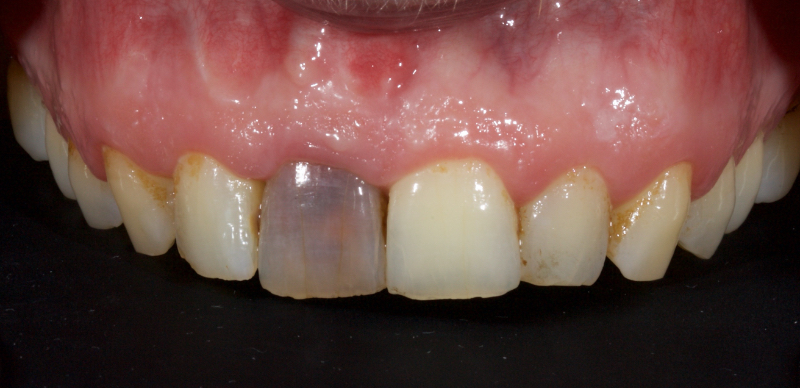
- Grayish Hue: A tooth that has suffered trauma or nerve damage may turn grayish, indicating potential nerve death or internal bruising.
- Dark Spots or Patches: Localized spots or patches on teeth could result from plaque buildup, certain foods, or early signs of decay.
- Transparency Near Edges: As the enamel wears down, the edges of the front teeth may become somewhat transparent, revealing the dentin beneath. This usually happens with age or excessive brushing.
- Uniform Color Change: Intrinsic stains often cause more uniform color changes across the entire tooth. For instance, tetracycline staining results in a banded or uniform discoloration.
Aside from the aesthetic changes, people with discolored teeth might experience lowered self-confidence. At Amirad Dentistry, our priority is not just to help you get a radiant smile, but also to boost your self-esteem and overall well-being. If you notice any of these signs, it’s essential to schedule an appointment with your dentist for an accurate diagnosis and personalized advice.
Treatment Options For Tooth Discoloration
Fortunately, a variety of treatment options are available to address both extrinsic and intrinsic tooth discoloration. The best choice depends on the underlying cause, the severity of the discoloration, and your personal preferences. Some common treatments include:
- Professional Teeth Whitening:
- In-Office Whitening: At Amirad Dentistry in North York, we offer professional teeth whitening treatments that use high-grade bleaching agents for immediate, noticeable results. This procedure can brighten your teeth by several shades in just one session.
- At-Home Whitening Kits: For those who prefer a more gradual approach, custom-fitted trays and professional-strength gel can be provided for at-home use under the guidance of our dental professionals.
- Dental Bonding: A tooth-colored composite resin can be applied to the surface of the tooth to cover stains or discoloration. This is a relatively quick and cost-effective way to enhance the appearance of your smile.
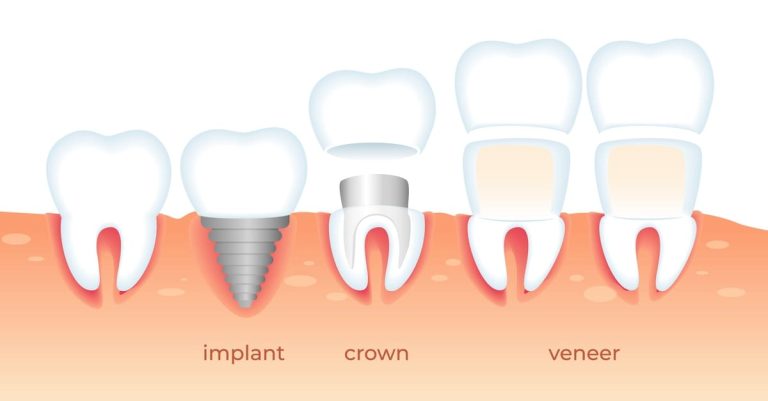
- Veneers: Thin shells of porcelain or composite material are bonded to the front of the teeth to create a flawless appearance. Veneers are often recommended for patients with more severe or intrinsic discoloration that doesn’t respond well to bleaching.
- Crowns: In cases of significant structural damage or deep intrinsic staining, crowns (or caps) may be used to completely cover the tooth. This option also helps strengthen a weakened tooth while improving its appearance.
- Internal Bleaching: If a single tooth has turned dark due to trauma or a root canal treatment, a dentist may place bleaching material inside the tooth to lighten it from within.
- Orthodontic Adjustments: Sometimes, discoloration appears more noticeable if teeth are crowded or misaligned. In such instances, orthodontic treatment can help expose more of the tooth surface for consistent hygiene and whitening.
At Amirad Dentistry, our cosmetic dentistry and restorative procedures can be tailored to achieve natural-looking, long-lasting results. Our experienced team, led by Dr. Farid and Dr. Sarbaz, will collaborate with you to select the best treatment plan for your unique needs and lifestyle. Rest assured, we use the latest dental technology and techniques to ensure both comfort and effectiveness.
Managing Tooth Discoloration Until You Can See The Dentist
If you’ve noticed discoloration and are unable to see a dentist immediately, there are several steps you can take at home to manage tooth discoloration and prevent it from getting worse:
- Practice Good Oral Hygiene: Brush at least twice a day with a fluoride toothpaste and floss daily. Make sure you’re spending enough time on each quadrant of your mouth to remove food debris and plaque effectively.
- Use Whitening Toothpaste: Over-the-counter whitening toothpastes can help remove surface stains, although they may not address deep or intrinsic discoloration.
- Rinse After Consuming Staining Foods or Drinks: If you enjoy coffee, tea, or red wine, rinse your mouth with water immediately afterward. This simple step helps wash away staining agents before they latch on to your teeth.
- Quit Smoking or Chewing Tobacco: Reducing or ceasing tobacco use can significantly improve the color of your teeth over time and benefit your overall health.
- Consider Natural Remedies with Caution: Some people try natural methods like baking soda or oil pulling. While these can have mild benefits, it’s essential not to overdo it, as abrasive substances can wear down your enamel.
Remember, these steps are temporary measures and do not replace professional dental advice or treatment. A visit to Amirad Dentistry for a thorough evaluation will help ensure you receive a precise diagnosis and the most effective and safe treatment option for your unique situation.


Causes of Intrinsic Staining
Intrinsic staining occurs when the inner layers of the tooth (the dentin) become discolored, making it far more challenging to correct with simple surface whitening methods. Several factors can lead to intrinsic staining:
- Certain Medications: Tetracycline and doxycycline, particularly when used during tooth development (in early childhood or in utero), can lead to a more uniform or banded discoloration that is more resistant to bleaching.
- Excessive Fluoride (Fluorosis): If children ingest too much fluoride during tooth development—commonly through drinking water with high fluoride levels—it can result in white or brown spots on the teeth.
- Genetic Conditions: Some genetic disorders, such as dentinogenesis imperfecta, lead to brittle and discolored teeth.
- Trauma or Nerve Death: A tooth that has suffered trauma or has undergone a root canal may develop internal bruising, leading to a grayish or brown discoloration over time.
- Aging: Over time, the outer layer of enamel thins, naturally exposing more of the yellowish dentin underneath.
Because intrinsic stains are rooted within the tooth, professional evaluation is essential. At Amirad Dentistry, we may recommend treatments like veneers, dental bonding, crowns, or internal bleaching if necessary. Our team will guide you through each option, ensuring you’re well-informed about what to expect in terms of outcomes, longevity, and maintenance.
Frequently Asked Questions About Tooth Discoloration
Q: Is tooth discoloration preventable?
A: While not all causes of tooth discoloration are fully preventable—especially genetic factors or injuries—you can minimize extrinsic staining by maintaining good oral hygiene, reducing or eliminating staining foods and drinks, and avoiding tobacco use.
Q: Does whitening toothpaste really work?
A: Whitening toothpastes can help remove surface stains but often provide only modest improvements. They generally contain mild abrasives or low-strength bleaching agents. For more significant discoloration, professional interventions are usually more effective.
Q: How long do professional whitening results last?
A: The longevity of whitening results depends on your oral hygiene habits and lifestyle. Avoiding staining foods and beverages, practicing excellent brushing and flossing routines, and scheduling regular dental cleanings can help maintain the brightness for one to three years or longer.
Q: Can sensitive teeth be whitened?
A: Yes, but sensitive teeth require special care. Our dental team at Amirad Dentistry can recommend desensitizing products or gentler whitening procedures to avoid exacerbating sensitivity.
Q: How safe are professional teeth whitening procedures?
A: Professional teeth whitening is considered safe when performed under the supervision of qualified dental professionals. We use high-quality materials and carefully monitor the process to minimize any risk of damage to your teeth or gums.
Q: What if only one tooth is discolored?
A: A single discolored tooth is often the result of trauma or internal changes. In this case, we might recommend internal bleaching, dental bonding, or a crown to match the surrounding teeth.
Q: Does insurance cover cosmetic treatments for tooth discoloration?
A: It depends on your specific policy and whether the treatment is deemed medically necessary or purely cosmetic. Our administrative team at Amirad Dentistry can help you explore financing options or insurance coverage possibilities.
Your Smile Matters at Amirad Dentistry in North York, Toronto
If tooth discoloration has been causing you concern or affecting your confidence, there’s no need to keep hiding your smile. At Amirad Dentistry, located in the heart of North York, Toronto, our focus is on delivering world-class dental care in a spa-like environment that puts your comfort first. Led by Dr. Farid and Dr. Sarbaz, our experienced team works tirelessly to ensure that each patient receives personalized attention. Whether you’re looking to correct tooth discoloration, undergo a complete smile makeover, or explore facial rejuvenation treatments, we provide a one-stop solution for all your cosmetic and restorative needs.
Here’s what you can expect at Amirad Dentistry:
- State-of-the-Art Facilities: Our clinic is outfitted with the latest dental technology and equipment to provide accurate diagnoses and effective treatments.
- Customized Treatment Plans: No two smiles are alike. We tailor every dental procedure to suit your needs, ensuring optimal results that enhance your natural beauty.
- Experienced Professionals: Our highly qualified team of dentists, hygienists, and dental nurses combine their expertise with a friendly, caring approach. We pride ourselves on being recognized as one of the best dental clinics in North York.
- Relaxing Atmosphere: From the moment you step in, you’ll notice the spa-like ambiance, designed to soothe any anxieties and make your experience as pleasant as possible.
- Comprehensive Services: Beyond cosmetic dentistry, we also offer preventive care, restorative procedures, and even facial and neck rejuvenation treatments.
At Amirad Dentistry in North York, Toronto, we provide a wide range of tailored solutions for discoloration, including professional teeth whitening, veneers, dental bonding, and more. Our commitment to advanced dental technology, spa-like patient experience, and personalized care ensures that you receive the best possible treatment plan for your individual needs. Don’t let tooth discoloration hold you back from sharing your smile with the world—reach out to our dedicated team and let us help you regain the confidence and satisfaction you deserve.
Ready to begin your journey towards a whiter, healthier smile? Contact Amirad Dentistry today to schedule a consultation. Our friendly staff will guide you through every step, from initial evaluation to post-treatment maintenance, ensuring you feel informed, comfortable, and confident throughout the entire process. Your dream smile is within reach, and with the experienced professionals at Amirad Dentistry by your side, you can trust you’re in excellent hands. We look forward to helping you shine bright!
References
https://www.ada.org/resources/research/science-and-research-institute/oral-health-topics/tooth-discoloration
https://www.mayoclinic.org/healthy-lifestyle/adult-health/expert-answers/teeth-whitening/faq-20058176
https://my.clevelandclinic.org/health/diseases/17664-yellow-teeth
https://www.nidcr.nih.gov/health-info/tooth-decay
https://www.webmd.com/oral-health/features/are-yellow-teeth-stronger