Can Veneers Damage Your Real Teeth? A Complete Guide
At Amirad Dental Clinic in North York, we often receive questions about veneers. One common concern is whether veneers can damage your natural teeth. This is a valid question, especially if you’re considering veneers to enhance your smile. In this blog, we’ll answer this question in detail and help you understand the truth about veneers and their impact on your real teeth.
What Are Dental Veneers?
Dental veneers are thin shells made of porcelain or composite resin that are bonded to the front surface of your teeth. They are designed to improve the appearance of your teeth by changing their color, shape, size, or length. Veneers are a popular solution for problems such as:
- Discolored teeth refer to teeth that have lost their natural whiteness due to factors like aging, consuming staining substances (coffee, tea, or tobacco), poor oral hygiene, certain medications, or enamel wear. Veneers can effectively cover these stains and restore a bright, white appearance.
- Chipped or broken teeth refer to teeth that have been cracked, fractured, or have pieces missing due to accidents, biting on hard objects, or decay. Veneers can cover these imperfections, restoring the appearance and function of the teeth.
- Uneven or irregularly shaped teeth refer to teeth that have unusual contours, are not symmetrical, or have shapes that disrupt the harmony of your smile. These issues can result from genetics, wear, or dental trauma. Veneers can reshape and align these teeth to create a balanced and aesthetically pleasing appearance.
- Gaps between teeth refer to spaces between teeth that may occur naturally or due to shifting over time. Dental Veneers can close these gaps, creating a uniform and seamless smile.
Read More: How Long Do Dental Veneers Last?


How Are Veneers Applied?
The process of getting veneers typically involves:
- Consultation: Your Toronto dentist will examine your teeth, discuss your goals, and decide if veneers are the right option for you.
- Preparation: A small amount of enamel is removed from the surface of your teeth to make room for the veneers. This is usually very minimal.
- Impressions: Impressions of your teeth are taken to create custom veneers that fit perfectly.
- Placement: The veneers are bonded to your teeth using a special adhesive, and adjustments are made to ensure a natural look and feel.
To learn more about the different types of dental veneers, please read the blog we’ve written on the topic. If you’re considering dental veneers to enhance your smile, trust the expertise of a skilled cosmetic dentist in Toronto at Amirad Dental to deliver beautiful, natural-looking results.
Read More: Composite Veneers in Toronto
Read More: Lumineer Veneers in Toronto
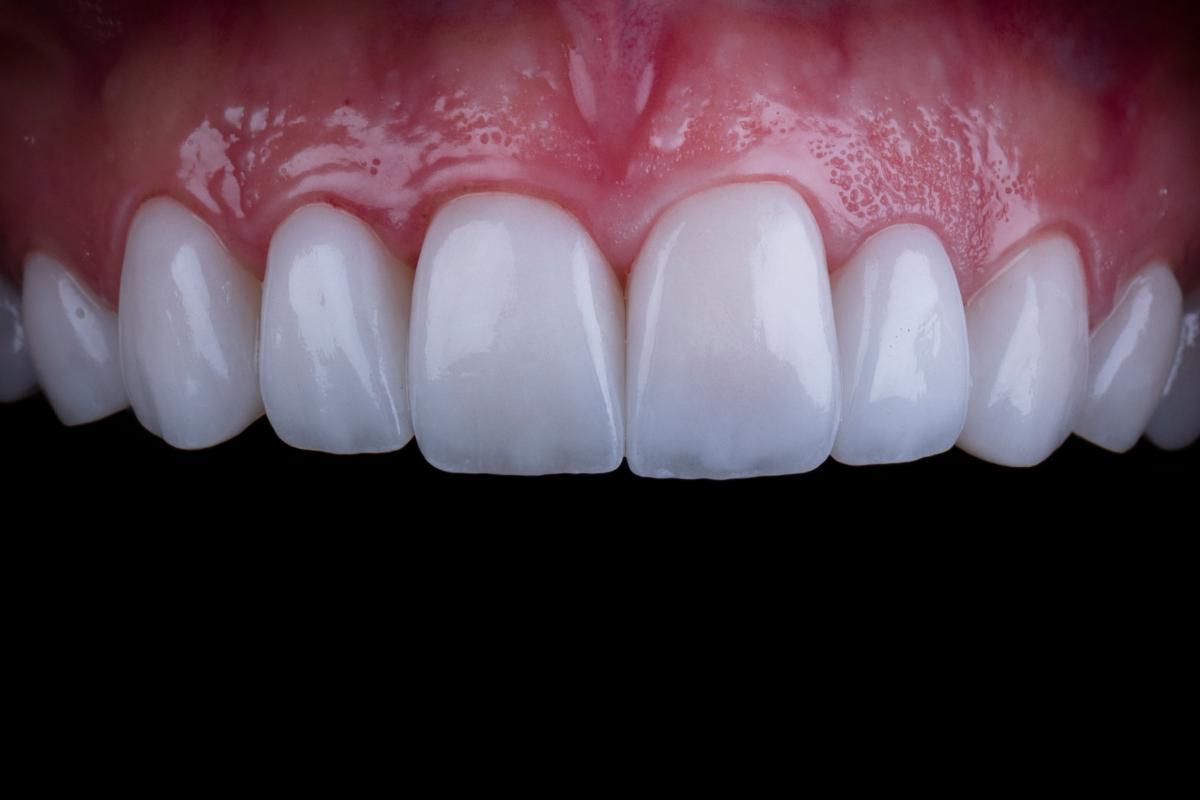
Do Veneers Damage Your Real Teeth?
The short answer is no, veneers do not damage your real teeth when applied by a qualified dentist. However, there are important factors to consider:
- Enamel Removal:
- A small amount of enamel needs to be removed to fit the veneers. This process is irreversible, but it’s minimal and only affects the outer layer of your tooth.
- The removal of enamel does not weaken your teeth if done correctly.
- Improper Application:
- If veneers are not applied properly, they can lead to issues like gum irritation or uneven pressure on the teeth. That’s why it’s crucial to work with an experienced dentist.
- Care and Maintenance:
- Veneers themselves do not harm your natural teeth, but poor oral hygiene or neglecting dental care can lead to problems like decay or gum disease around the veneers.
Read More: Dental Veneers vs. Crowns
Read More: Removable Veneers
Can Veneers Protect Your Teeth?
Veneers can not only enhance the appearance of your smile but also provide protective benefits for your teeth. Here’s how they can help:
- Covering Worn Enamel: Over time, the enamel on your teeth may wear down due to age, acid erosion, or teeth grinding. Veneers act as a protective shield over the worn enamel, reducing sensitivity to hot or cold foods and drinks.
- Protecting Against Cracks and Chips: If you have minor cracks or chips in your teeth, veneers can cover these imperfections, preventing them from worsening over time. This added protection can help maintain the structural integrity of your teeth.
- Reinforcing Tooth Strength: By adding an additional layer to the surface of your teeth, veneers can improve overall tooth strength. This is particularly beneficial for individuals with slightly weakened teeth due to wear and tear.
- Preventing Further Damage: Veneers create a smooth, even surface that can make it harder for plaque and bacteria to accumulate, potentially lowering the risk of cavities and gum issues in the covered areas.
While veneers offer these protective benefits, it’s essential to maintain proper oral hygiene and regular dental check-ups to ensure both your veneers and natural teeth stay healthy and strong. For high-quality dental veneers in North York, get in touch with Amirad Dental. Our expert team is here to provide personalized care and help you achieve the perfect smile you’ve always wanted.
Read More: Are Dental Veneers Permanent?

Are Veneers Suitable for Everyone?
Veneers are an excellent cosmetic solution for many individuals seeking to enhance their smile. However, they may not be the best option in certain situations. Dental Veneers might not be suitable if you have:
- Severe Tooth Decay: Extensive decay weakens teeth, making it challenging to securely bond veneers. Treating the decay first is essential.
- Advanced Gum Disease: Healthy gums are crucial for veneers to fit correctly. Gum disease can cause inflammation and recession, compromising the veneer placement.
- Weak or Damaged Teeth: Teeth that are significantly cracked, broken, or weakened may not provide enough support for veneers. Crowns may be a better alternative in such cases.
- Bruxism (Teeth Grinding): If you habitually grind your teeth, the pressure can damage veneers over time. Addressing bruxism first with a nightguard or other treatment is recommended.
Your dentist will assess your oral health and discuss the best options for you. If veneers are not the ideal choice, alternative treatments like dental crowns, dental bonding, or orthodontics can help achieve your desired results while maintaining oral health.
Related Blog: Can Veneers Be Whitened?
How to Take Care of Veneers and Natural Teeth
To keep your veneers and natural teeth healthy:
- Brush your teeth twice a day with a non-abrasive toothpaste.
- Floss daily to remove plaque and food particles.
- Avoid biting on hard objects like ice or pens.
- Limit consumption of staining foods and drinks like coffee and red wine.
- Visit your dentist regularly for checkups and cleanings.
Veneers are an amazing way to improve your smile and boost your confidence without causing harm to your natural teeth, as long as they are applied by a skilled and experienced dentist. These thin shells of porcelain or resin can cover imperfections like discoloration, chips, and uneven shapes, giving you a flawless look that feels natural.’
Read More: Dental Veneers for Chipped Teeth
At Amirad Dental Clinic in North York, we don’t just focus on enhancing your smile we also make sure your oral health is our top priority. Every treatment is performed with great care and precision to ensure the best results for you. If you’re curious about veneers and want to know if they’re the right choice for your teeth, don’t hesitate to reach out. Schedule a consultation with us today so we can explain the process, discuss your options, and answer any questions you might have. We’re here to help you achieve the smile you’ve always wanted!’
Summary
Dental veneers are thin layers that are bonded to the front surface of teeth to improve their appearance. For the placement of certain types of veneers, such as ceramic veneers, a small amount of enamel usually needs to be removed. This process can make the tooth more vulnerable to decay and may increase sensitivity to hot and cold. On the other hand, composite veneers often require no enamel removal or only a very minimal amount. This feature helps preserve the natural structure of the tooth.
However, composite veneers may be less durable than ceramic ones and are more prone to discoloration. It’s important to know that getting veneers is an irreversible process, as removing them may leave the teeth unprotected and in need of replacement veneers. To maintain the health of both natural teeth and veneers, it’s recommended to practice good oral hygiene, avoid consuming colored foods and beverages that may cause staining, and visit the dentist regularly.
Sources
- American Dental Association (ADA)
- Canadian Dental Association (CDA)
- Amirad Dental Clinic Expertise